.png)
Designing Belonging: Using AI to Create Emotionally Inclusive and Multimodal Learning Materials in Higher Education
Abstract
This reflective article explores how AI tools, particularly Canva’s AI-assisted visual features, helped me create emotionally inclusive and multimodal learning materials in three teaching contexts: a Social-Emotional Learning (SEL) Collaborative Online International Learning (COIL) programme, a teacher training workshop, and a Year 1 Research-Led Learning module. Guided by the CASEL framework, visuals were designed to support emotional safety and belonging. Drawing on Kress’s (2010) multimodality theory, AI-enabled images served as accessible meaning-making resources. Schön’s (1983) reflection-in-action informed my iterative design process, where AI outputs prompted continuous refinement and ethical decision-making. Three visual examples illustrate how AI-enhanced representation, reduced cognitive load, and clarified complex concepts. The article argues that reflective AI use can strengthen inclusive and effective teaching practices.
Keywords: AI in higher education; inclusive visual design; Social-Emotional Learning; multimodality; reflective practice; Canva AI; transnational education; visual pedagogy
In an increasingly diverse and transnational higher education environment, the visual design of classroom materials is no longer a matter of aesthetics alone, it is a pedagogical responsibility. At Xi’an Jiaotong-Liverpool University (XJTLU), many of my students learn in a second language, come from different cultural backgrounds, and bring unique emotional and cognitive needs into the classroom. Traditional presentation slides are usually dense with text, limited in representation, and visually monotonous, and often fall short of meeting these varied needs.
As I began redesigning my teaching materials, particularly for Social-Emotional Learning (SEL), I realised that visuals could function more than the supplementary decoration. It can be an emotional architecture. Guided by the CASEL framework, I began to view my slides as tools that could help co-create emotionally safe and inviting learning environments (“What Is the CASEL Framework?,” 2020.). CASEL’s core competencies- self-awareness, self-management, social awareness, relationship skills, and responsible decision-making- emphasise that emotions are inseparable from learning and must be intentionally supported within classroom environments. From this perspective, visual design becomes part of the emotional climate of the learning space: the colours we choose can influence calm or tension, the images we select can signal belonging or exclusion, and the overall layout can either support or overwhelm learners. This is particularly crucial in multilingual and culturally diverse classrooms, where students often experience heightened cognitive and emotional load; research suggests that clear, culturally responsive visuals can reduce linguistic barriers, support comprehension, and create a sense of psychological safety (Rose et al., 2013).
At the same time, Kress’s (2009)theory of multimodality reminded me that meaning is never conveyed through language alone. Kress argues that communication always occurs through multiple modes: visual, linguistic, spatial, and gestural, each carrying distinct affordances that shape how learners make meaning. Images can evoke emotional understanding more immediately than text; color and contrast can direct attention; spatial arrangements can visually map conceptual relationships. In this sense, multimodality naturally complements SEL, as both prioritise the holistic learner, one whose emotional, sensory, and cognitive processes intersect in the act of understanding.
Bringing CASEL and Kress together helped me recognise that if emotional safety is foundational to learning (“What Is the CASEL Framework?,” 2020), and if meaning-making is distributed across multiple modes (Kress, 2009), then visuals must be intentionally crafted to support both emotional resonance and conceptual clarity. AI tools, therefore, became more than simply design aids. They became collaborators who enabled me to operationalise these frameworks, creating visuals that communicated care, representation, and meaning simultaneously.
Integrating AI into this process transformed my pedagogy even further. What began as an attempt to make slides look better gradually evolved into a reflective practice in Schön’s (1983) sense: an ongoing, iterative conversation between my design choices, my values as an educator, and the needs of my students.
This article offers a reflective exploration of how AI tools, particularly Canva’s AI-assisted features and generative visual tools, helped me redesign my materials across three teaching contexts: (1) a COIL programme on SEL, (2) SEL flashcards for teachers in a middle school, and (3) a Year 1 Research-Led Learning module. Across these examples, I show how AI supported inclusive design, enhanced multimodal meaning-making, and became part of my reflective teaching practice.
Teaching Context and Emerging Challenges
Teaching in multilingual, multicultural, and cognitively diverse classrooms presents pedagogical challenges that cannot be addressed through text-centred slides alone. In my context, many students learn complex SEL concepts through English as an additional language, which often creates a linguistic burden that affects comprehension, confidence, and engagement (Wen, 2024). Research in Chinese higher education shows that language difficulties can compound when emotional or abstract concepts, such as those in SEL, are introduced primarily through text, as students must simultaneously decode academic English while processing unfamiliar conceptual vocabulary (Wei et al., 2024).
These challenges are mirrored in the experiences of many Chinese middle-school teachers with whom I collaborate. Teachers often manage high workloads, dense curricula, and performance-based evaluation systems that leave limited preparation time; as a result, they rely heavily on materials that are visually intuitive, easily adaptable, and cognitively accessible (Zhao et al., 2023). This is especially relevant in SEL contexts, where visual cues can scaffold emotional understanding more effectively than lengthy textual explanations.
First-year university students at XJTLU also face a demanding transition. Many have been educated within a secondary school environment shaped by memorisation-oriented learning practices and high-stakes examinations, a system that privileges accuracy and recall over inquiry and interpretation (Chou & Spangler, 2016). When they enter a research-led learning environment, the shift from reproducing knowledge to constructing it can be disorienting. Students frequently report feeling overwhelmed by abstract research processes described only through text, and they often struggle to visualize how the components of research connect in practice.
Before integrating AI into my pedagogy, my slides were functional but limited. They lacked cultural representation, emotional tone, and multimodal clarity. Visuals were sparse, often reinforcing a Western-centric aesthetic, and the dominance of text placed additional cognitive load on multilingual learners. These constraints pushed me to explore how AI could support the creation of materials that were clearer, more inclusive, and emotionally attuned, materials that could bridge linguistic gaps, support diverse learners, and ease the transition from memorisation-based learning to research-led inquiry.
Conceptual Framework
SEL scholars consistently emphasise that learning does not occur in an emotional vacuum; the affective climate of a classroom shapes students’ capacity to engage, regulate, express, and connect (Jones et al., 2014). From this perspective, visual design becomes part of the emotional architecture of learning. The colors used in slides can influence emotional tone; soft, warm palettes have been shown to reduce anxiety and support cognitive ease (Baper et al., 2021). Images that reflect diverse identities can foster belonging and enhance social awareness. Minimalist layouts can lower cognitive load, which is particularly important in multilingual classrooms where students must simultaneously decode language and concepts (Paas et al., 2010).
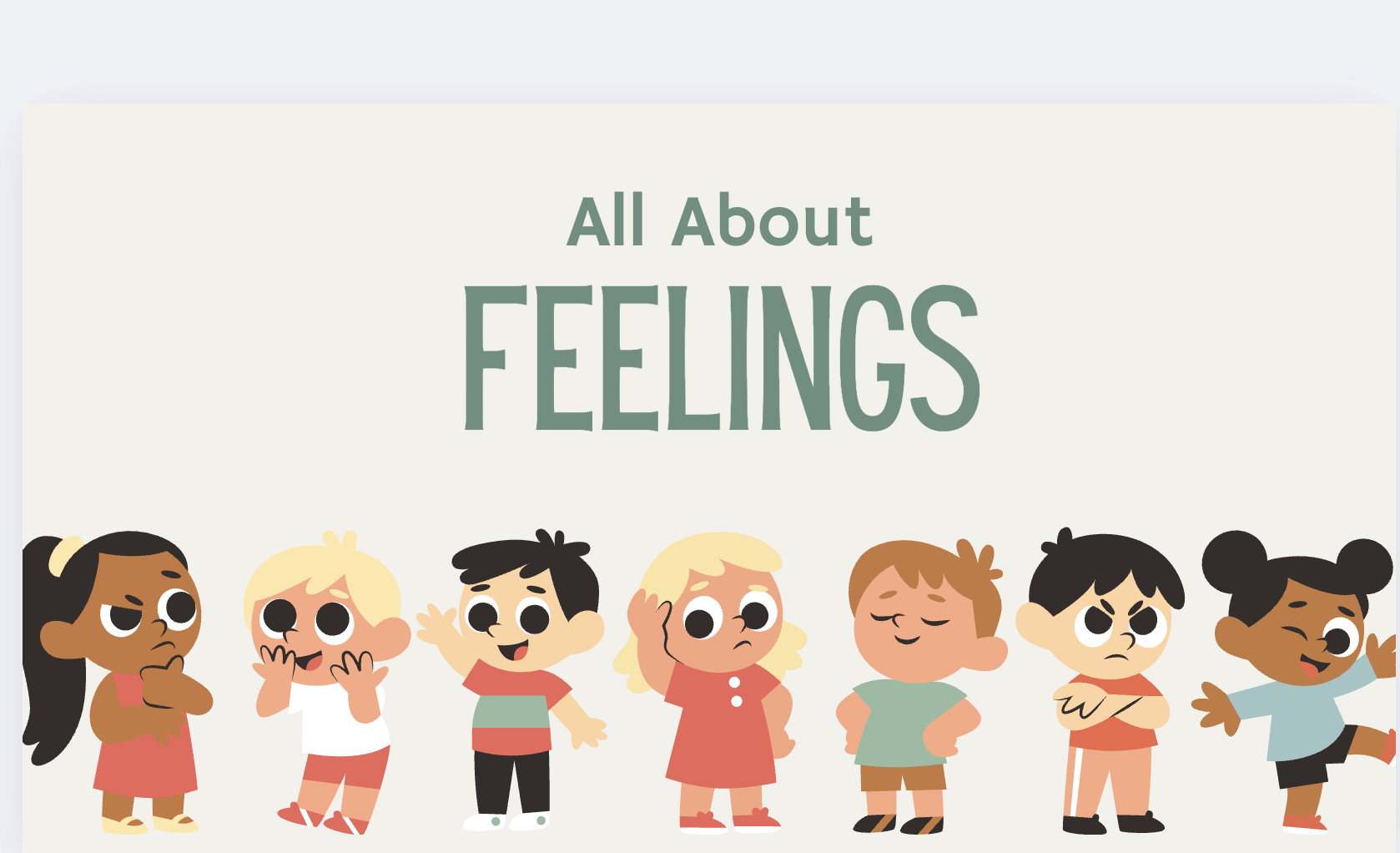

Figure 1 AI-enhanced inclusive visuals for SEL instruction from Canva
In Chinese transnational education contexts, emotional safety is especially relevant. Students transitioning from high-stakes, exam-oriented secondary schooling often associate academic spaces with pressure, correctness, and evaluation (Chou & Spangler, 2016). SEL-supportive visuals can counterbalance these associations by introducing psychological safety, empathy, and approachability, elements not traditionally emphasised in Chinese classrooms (Ding et al., 2008). By aligning AI-generated visuals with SEL principles, I aimed to create a learning atmosphere where students felt invited rather than interrogated.
Figure 1 is a slide created for a COIL programme on SEL. Using Canva’s AI-supported illustration tools, I generated a diverse set of children expressing different emotions. The goal was to avoid stereotypical imagery often found in pre-made clipart while ensuring students from varied cultural backgrounds could feel represented. The warm, neutral color palette and expressive characters aligned with my intention to create an emotionally safe, welcoming tone. This visual choice aligns with SEL principles by: reducing anxiety in learners encountering new emotional vocabulary; supporting emotional recognition through culturally diverse expressions;creating a sense of belonging through representation. AI thus functioned as a partner in designing affective cues that support emotional safety.
Kress’s (2009) theory of multimodality argues that communication always occurs across multiple modes, linguistic, visual, spatial, gestural, and auditory, and each mode offers distinct affordances for meaning-making. In educational settings, relying exclusively on written or spoken language can limit comprehension, especially for learners navigating new disciplinary vocabularies or learning in an additional language. Visual modes, by contrast, can express relationships, emotions, and abstract ideas more directly and holistically (Bezemer & Kress, 2015).
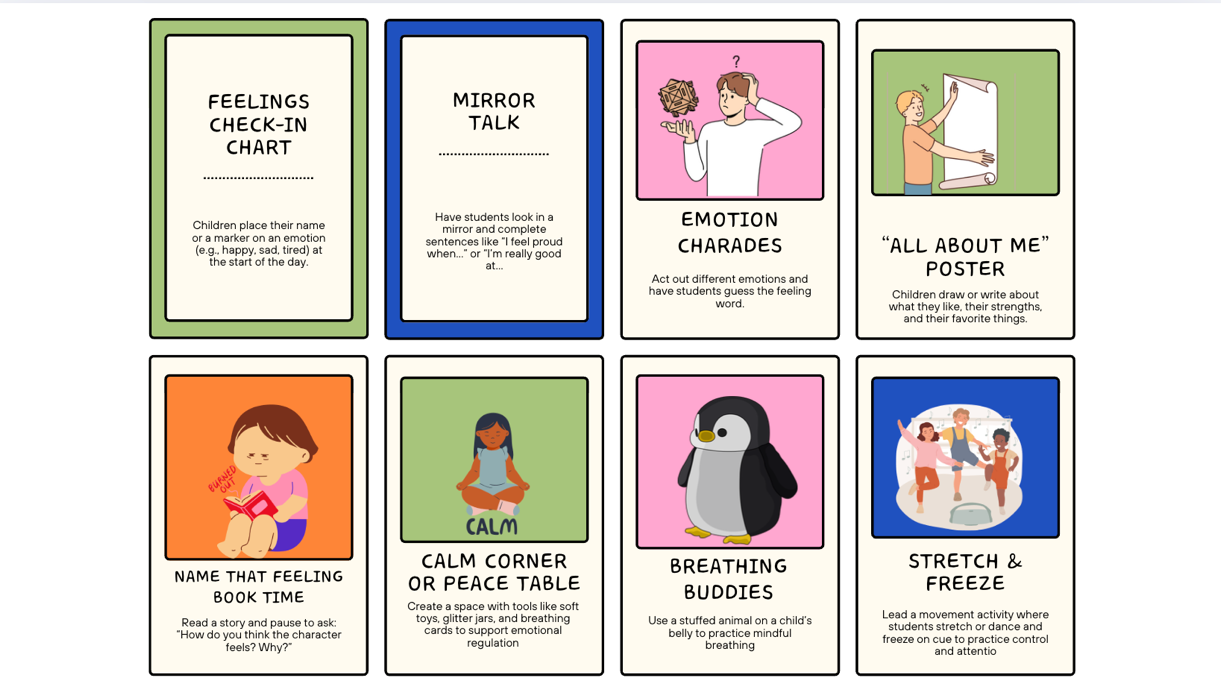
Figure 2 AI-generated SEL activity flashcards for teachers
Multimodality is especially powerful in multilingual classrooms. Studies show that multimodal representations, such as diagrams, icons, and images, significantly support comprehension, reduce linguistic barriers, and promote deeper conceptual understanding for second-language learners (Valencia & Aldemar, 2016). Visuals also allow students to draw on their existing semiotic repertoires, bridging prior knowledge with new content. In this context, AI tools expanded the multimodal resources available to me as an educator. Generative AI enabled the creation of culturally diverse characters, metaphorical graphics, and process-oriented diagrams that might otherwise require significant design expertise or time. Kress’s (2009) argument that educators must adapt to a visual turn in contemporary communication aligns here, where learners increasingly rely on visual literacies to interpret and navigate information. Thus, AI-supported visuals allowed me not only to simplify complex content but also to express concepts, such as emotion recognition, SEL strategies, or research processes, in semiotic forms more accessible than text alone.
Figure 2 is a set of SEL flashcards I created in Canva when invited as a guest speaker to train schoolteachers on integrating emotional literacy activities. AI tools helped me rapidly generate visuals that were age-appropriate, culturally neutral, and pedagogically clear. These flashcards: conveyed complex SEL practices through simple visual metaphors; supported teachers with limited time by reducing cognitive load; enabled multimodal meaning-making by pairing icons, illustrations, and concise explanations. AI significantly reduced production time, enabling me to focus on pedagogical intent rather than manual graphic design.
Schön’s (1983) notion of reflection-in-action describes how practitioners learn by thinking within the activity; adjusting, experimenting, and refining their decisions in real time. In teaching, reflective practice involves continuously responding to emerging insights, unexpected outcomes, and shifting learner needs.
Integrating AI into my design process amplified this reflective dynamic. Every AI-generated image functioned as an interpretive prompt: Why did the tool produce this representation? What cultural assumptions does it encode? Does this image communicate emotional safety? Is it appropriate for multilingual learners? When results were stereotypical, overly Western, or emotionally misaligned, I refined my prompts or discarded outputs, an iterative cycle of evaluation and adjustment consistent with Schön’s model.
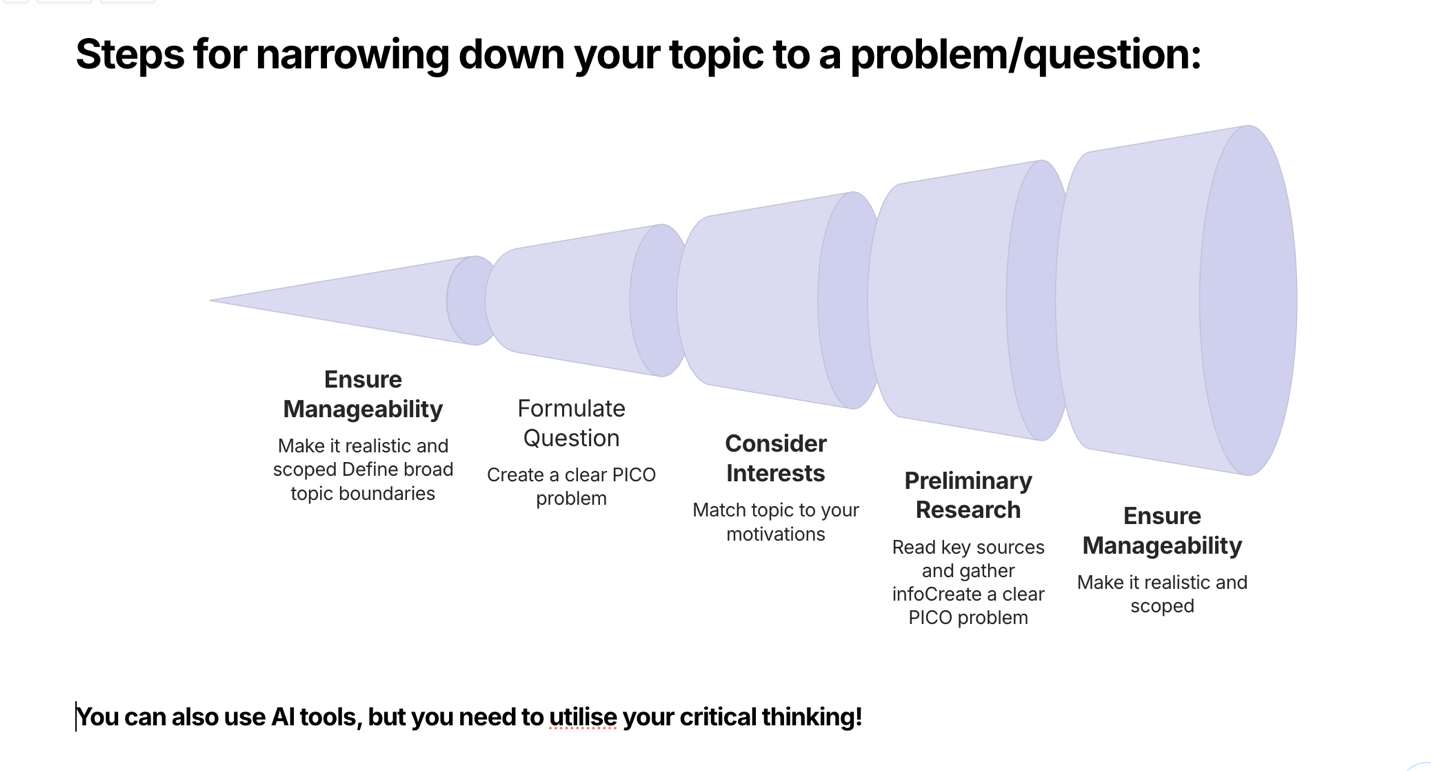
Figure 3 AI-supported visual diagram used in the Research-Led Learning module
Moreover, AI acted as a reflective surface (Kelchtermans, 2009), revealing my own pedagogical assumptions about representation, clarity, and tone. For example, when creating visuals for middle-school teachers, I found myself drawn to overly abstract icons until AI-generated alternatives reminded me that simplicity fosters cognitive and emotional accessibility for younger learners. Similarly, designing research-process slides for Year 1 students pushed me to reconsider how much tacit knowledge academic staff expect novices to possess. Through this process, AI became not merely a tool but a collaborator that prompted deeper pedagogical self-awareness and ethical attentiveness, qualities central to reflective teaching practice.
Figure 3 is a funnel-shaped visual used in the first-year Research-Led Learning module. Students often struggle with abstract research processes; AI helped me turn this into a simplified visual journey. The gradually narrowing shapes, soft colors, and strategic placement of verbs and actions were all generated and refined through AI tools. Through this image, I learned that:Visuals correct abstraction by revealing structure; AI designs can catalyse teacher reflection on clarity; student comprehension can be supported through spatial metaphors. This process deepened my understanding of visual pedagogy and my confidence in designing multimodal learning pathways.
Pedagogical and Ethical Insights: Toward Reflective and Responsible AI-Enhanced Teaching
Across the three cases, my engagement with AI-generated visuals revealed a set of intertwined pedagogical, ethical, and institutional insights. Rather than treating SEL principles, multimodal design, reflective practice, and AI literacy as separate domains, I began to see them as mutually reinforcing pillars of responsible and human-centred teaching with AI.
Intentional visual design allowed me to centre emotional safety, an essential condition for meaningful learning, especially in multilingual and transnational contexts. AI-supported visuals that incorporated diverse skin tones, non-gendered characters, and warm colour palettes helped reduce students’ affective filter (Krashen, 1985) , making abstract or emotionally sensitive SEL content less intimidating. In the COIL programme and teacher training examples, inclusive illustrations enabled learners to see themselves reflected without caricature or cultural flattening.However, designing emotionally safe visuals also raised ethical questions. AI tools sometimes produced stereotypical imagery or Western-centric depictions of “happy families,” “students,” or “teachers,” revealing embedded cultural biases in training datasets. Rejecting and revising such outputs became integral to my practice. Emotional safety, therefore, had to be both designed and defended, requiring continuous reflection on what (and who) my visuals were representing.
AI enabled me to think more semiotically about how students make meaning. Instead of relying on text-heavy explanations, I could use AI to generate metaphors, icons symbolising emotions or strategies, and spatial arrangements that mapped relationships between concepts. This shift helped me understand that multimodality deepens understanding by distributing meaning across visual, spatial, and textual modes.
Yet the semiotic power of AI also came with risks. Overly polished designs could create a false sense of conceptual simplicity, masking complexity rather than clarifying it. There was also the danger of privileging certain visual aesthetics, often Western minimalism, unless actively counterbalanced through careful prompting. Multimodality, therefore, demanded both creativity and cultural responsibility.
AI did not replace my pedagogical expertise rather it activated it. Schön’s (1983) notion of reflection-in-action resonated deeply: each AI-generated visual became a moment to evaluate intention, ethics, clarity, and cultural sensitivity. When visuals misaligned with my SEL goals or my commitment to inclusivity, I adjusted my prompts, restructured layouts, or discarded images entirely.
Through this iterative process, I became more aware of my own assumptions. Why did I initially favour abstract icons over narrative illustrations for middle-school teachers? Why did I lean toward certain colour palettes? AI acted as a mirror, revealing choices I made unconsciously and prompting me to articulate my rationale more clearly. It also made me reflect more on navigating bias, representation, and over-automation. Working with AI tools highlighted several ethical tensions like stereotype reproduction, Western defaults, and aesthetic over substance. Addressing these concerns required critical AI literacy, which included technical proficiency as well as ethical awareness, cultural sensitivity, and design judgment.
To translate these pedagogical and ethical insights into actionable practice, I developed a reflective workflow for using Canva AI in my teaching materials. Rather than treating AI as a tool for only efficiency or automation, the workflow operationalises emotional intentionality (CASEL), multimodal meaning-making (Kress), and reflection-in-action (Schön). The following box outlines this process, offering a practical illustration of how ethical, inclusive, and reflective AI use can be embedded in everyday teaching design.
.jpg)
Responsible AI use in higher education can also be about cultivating reflective habits. By embedding emotional awareness, semiotic evaluation, and ethical questioning into each design integration, AI becomes a catalyst for pedagogical clarity rather than a shortcut. In this sense, AI literacy must extend beyond technical proficiency to include emotional literacy, design judgment, and reflective practice.
Conclusion
ßAI-enhanced visual design has expanded my pedagogical imagination. By integrating SEL principles, multimodal meaning-making, and reflective practice, AI became more than a tool, it became a collaborator in designing belonging. The three examples presented show that AI can support educators in creating classroom materials that are inclusive, emotionally attuned, and clearer for learners navigating complex concepts. Canva AI was most effective when used as a reflective co-designer, supporting emotional inclusion, multimodal meaning-making, and pedagogical clarity. As AI tools evolve, educators must remain reflective, ethical, and intentional, designing visuals that teach not only content, but care.

